
Essential Pool Maintenance Tips for Homeowners
Pool maintenance is a continuous process that ensures water remains clean, safe, and comfortable for swimming while also protecting the pool structure and equipment. Whether it is a private backyard pool or a larger commercial facility, consistent care is the key to avoiding algae growth, cloudy water, and expensive repairs.
A fundamental part of maintenance is keeping the water properly balanced. Pool water must be regularly tested to ensure that pH, chlorine, and pool maintenance alkalinity remain within safe ranges. When the balance is off, swimmers may experience eye irritation, and the pool surfaces can begin to deteriorate over time. Maintaining stable water chemistry also helps sanitizers like chlorine work more effectively, keeping bacteria and algae under control.
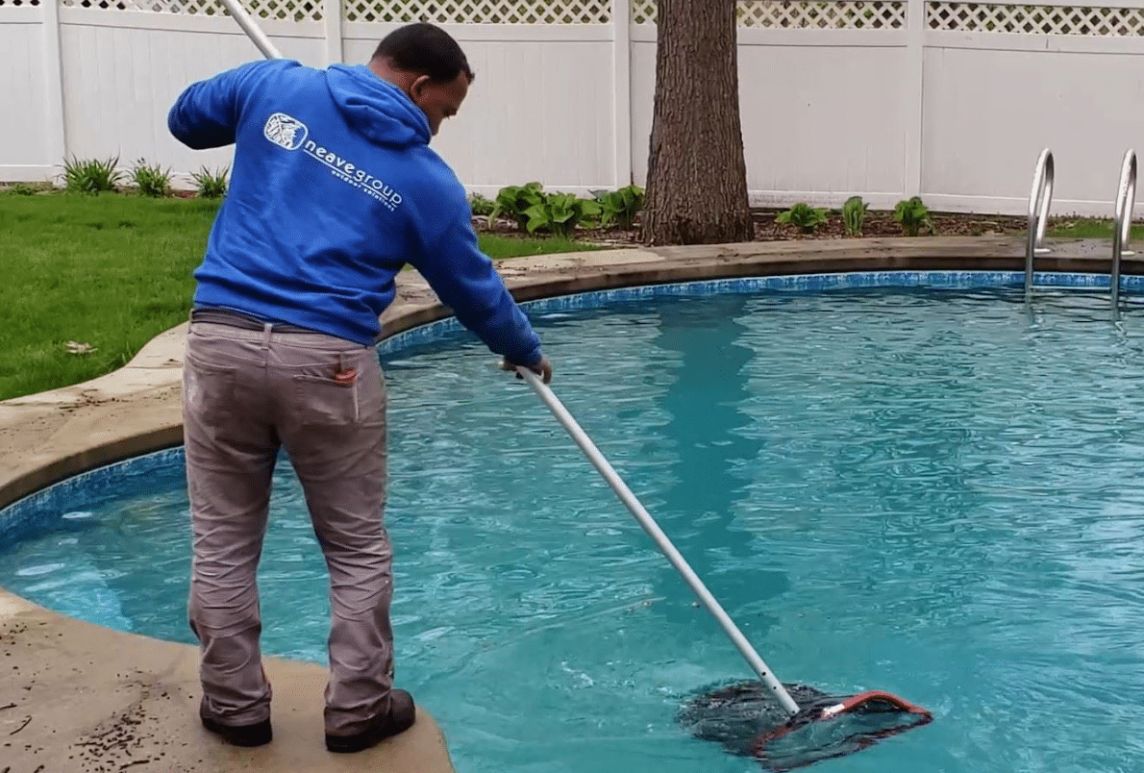
Another important practice is routine cleaning of the pool surface and floor. Even when the water looks clear, small particles such as dust, leaves, and insects can accumulate. Skimming the surface daily helps remove floating debris before it sinks. Vacuuming the bottom of the pool on a weekly basis prevents dirt buildup, while brushing the walls and steps stops algae from forming in hidden areas. This combination of cleaning methods keeps the pool visually clear and hygienically safe.
Filtration is one of the most important systems in pool maintenance. The filter continuously removes fine particles that cannot be seen with the naked eye. Depending on the type of system, sand, cartridge, or diatomaceous earth filters require different levels of care. Regular backwashing or cleaning ensures the filter operates efficiently and prevents pressure buildup. A poorly maintained filter can lead to cloudy water and increased chemical usage.
Water circulation also plays a major role in pool health. Proper movement of water ensures that chemicals are evenly distributed and prevents stagnant zones where bacteria can grow. Running the pool pump for a sufficient number of hours each day helps maintain circulation. Adjusting return jets so that water flows in a circular direction can further improve efficiency and reduce dead spots.
Maintaining water levels is another simple but important task. Evaporation, splashing, and backwashing can lower water levels over time. If the water level drops too low, the pump may run dry and get damaged. If it becomes too high, skimming efficiency decreases. Keeping the water level at the center of the skimmer opening ensures the system works correctly.
Seasonal care is also necessary for long-term maintenance. During warm months, pools require more frequent cleaning and chemical adjustments due to heavy usage and higher temperatures. In colder seasons, pools that are not in use should be properly covered and winterized to prevent damage from freezing and debris buildup. Proper seasonal preparation helps extend the life of the entire pool system.
In addition, regular inspection of pool equipment is essential. Pumps, heaters, pipes, and valves should be checked for leaks, noise, or reduced performance. Addressing small issues early prevents major breakdowns and reduces repair costs over time.
Overall, effective pool maintenance combines cleaning, chemical balance, filtration care, and equipment monitoring. A consistent routine ensures that the pool remains safe, efficient, and enjoyable throughout the year.